Loofah Supplier Evaluation Checklist for Wholesale Buyers
A loofah supplier evaluation should test more than price and attractive sample photos. Wholesale buyers need to review factory capability, product range, sample consistency, moisture control, packaging skill, communication habits, document readiness, and red flags before confirming bulk orders safely.
Direct answer
A loofah supplier evaluation should test more than price and attractive sample photos. Wholesale buyers need to review factory capability, product range, sample consistency, moisture control, packaging skill, communication habits, document readiness, and red flags before confirming bulk orders safely.
How should wholesale buyers evaluate a loofah supplier?
A loofah supplier evaluation should test more than price and attractive sample photos. Wholesale buyers need to review factory capability, product range, sample consistency, moisture control, packaging skill, communication habits, document readiness, and red flags before confirming bulk orders safely.
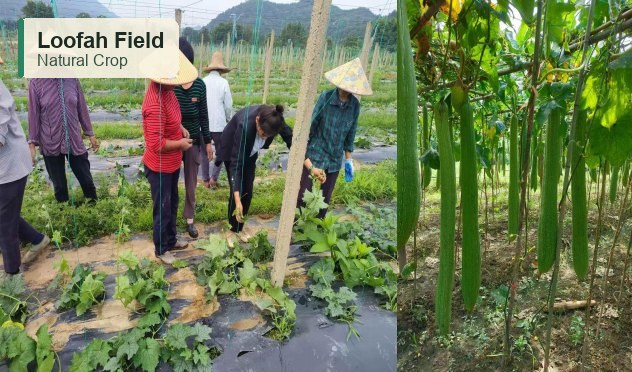
Natural loofah is an agricultural material, so no supplier can make every piece look molded or identical. A good supplier explains normal variation, prepares sample ranges, and defines what can be controlled through sorting, cutting, sewing, drying, and packaging.
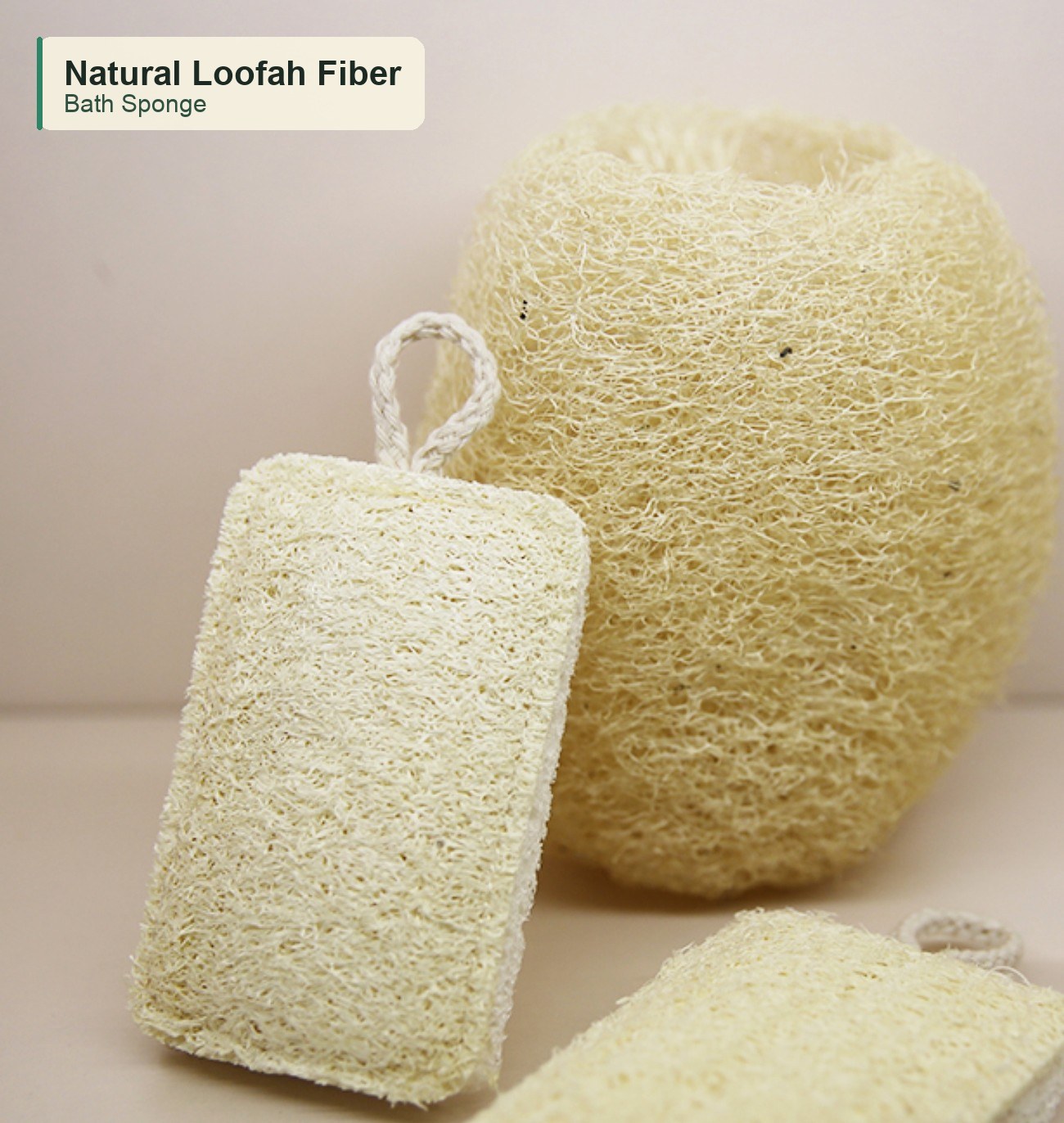
Begin with product fit. Review whether the supplier can support the natural loofah sponge category, finished bath products, kitchen scrubbers, soap savers, pads, and private-label packaging. A buyer planning a brand range should also review the private label loofah products workflow before choosing a partner.
Evaluation checklist
| Area | Questions to ask | Evidence to request |
|---|---|---|
| Product range | Can the supplier support raw, cut, sewn, and packed formats? | Product list, sample photos, live references |
| Material control | How are size, color, pore density, and dryness sorted? | Sample range, ruler photos, drying notes |
| Factory capability | Is cutting, sewing, assembly, and packing done in-house or outsourced? | Workshop photos, process description |
| Packaging skill | Can the team handle sleeve, pouch, box, barcode, and carton marks? | Package mockup, dieline review path |
| Quality checks | What happens before carton sealing? | Inspection points, rejected sample examples |
| Communication | Are RFQ answers specific and documented? | Written quote, spec sheet, change log |
| MOQ logic | Is product MOQ separated from packaging MOQ? | Separate product and print minimums |
| Compliance wording | Are claims confirmed from documents? | Certificate copies only when available |
Factory audit questions
Ask where the loofah is grown, dried, stored, cut, sewn, and packed. The answer does not need to be complicated, but it should be specific enough for the buyer to understand control points.
Ask which products are standard and which require custom setup. A supplier may be very strong in bath sponge and dish pad formats but slower on highly custom gift sets. The buyer should know this before building a launch calendar.
Ask how samples represent bulk goods. One selected piece is not enough. Request several pieces from the expected grade, including normal color and pore variation, then approve the acceptable range.
Ask how packaging is handled. If printed sleeves, boxes, pouches, or labels are outsourced, the supplier should explain artwork lead time, proofing, print minimums, and carton packing.
Sample testing checklist
Test dry appearance first, then soak the sample and test wet hand feel. Natural loofah becomes softer in water, so dry stiffness alone can mislead retail teams.
Measure size, thickness, diameter, rope length, strap width, and package fit. Repeat the check across several pieces so the buyer understands variation before approving bulk.
Check loose fiber, edge comfort, odor, drying time, and whether the product sheds inside the package. For sewn goods, pull gently on stitching, cords, straps, and binding.
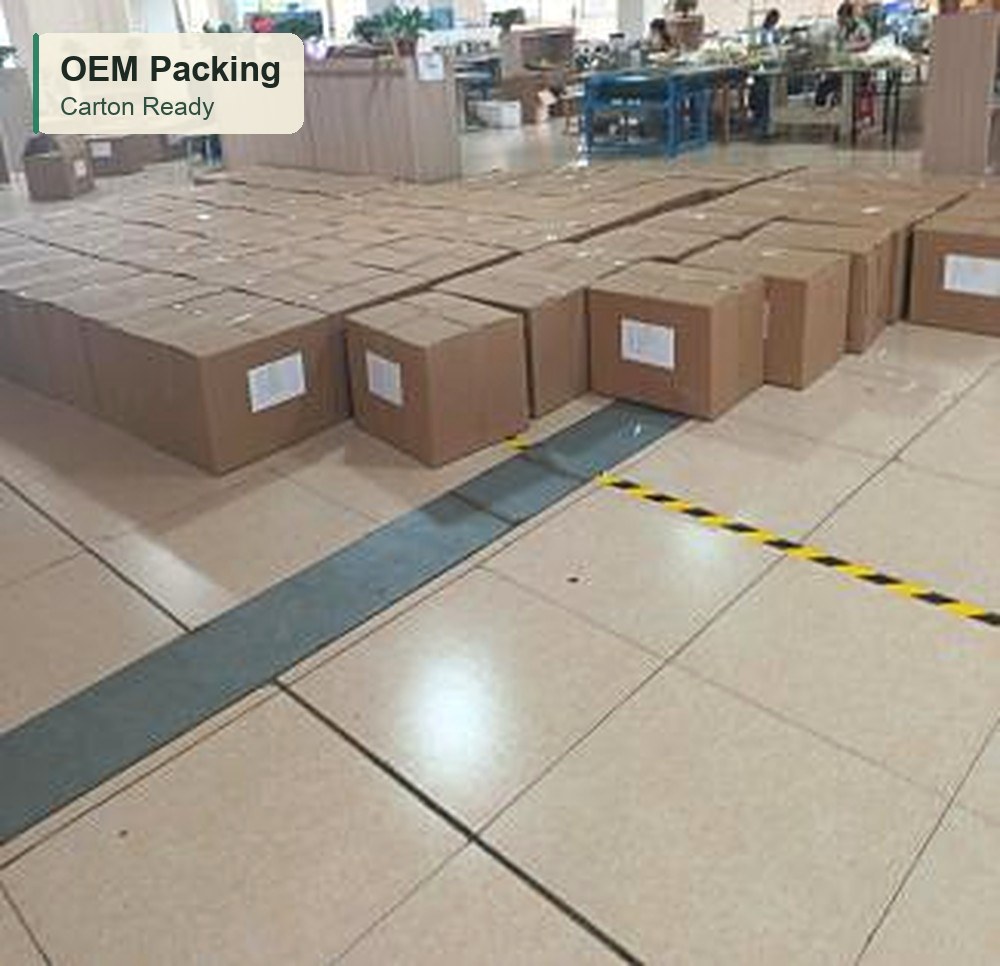
Run a simple pack test. Place the item into the intended sleeve, pouch, box, or carton and review compression, label visibility, barcode area, and final carton count.
Red flags before purchase approval
Be careful when a supplier offers a very low price but cannot define size tolerance, texture grade, moisture condition, package count, or sample approval method. The quote may not describe the product the buyer expects.
Be cautious when every product photo looks perfect but the supplier will not send range photos. Natural loofah has variation; hiding that variation creates risk after bulk production.
Watch for vague MOQ answers. A serious quote separates product minimums from print packaging minimums and explains which details increase setup.
Avoid unsupported claim wording. Terms such as certified, compostable, antibacterial, or market-specific compliance should be used only when documents support them.
Why choose LoofahB2B
LoofahB2B helps buyers prepare RFQs that compare suppliers by specification, sample method, packaging path, and repeatability. We can support bath, kitchen, soap, pad, raw material, and private-label product ranges through a documented review process.
Buyers can use our solutions overview to move from broad category interest to a quote-ready sourcing brief. The aim is not only a first order, but a repeatable product file that works for the next reorder.
FAQ
How many samples should I request before choosing a supplier?
Ask for several pieces from the intended grade, not one selected sample. Range samples show normal variation in color, pore size, thickness, and texture.
What factory details matter most for loofah products?
Drying, sorting, cutting, sewing, assembly, packing, and final inspection are the most important control points for most wholesale orders.
Should certificates decide supplier selection?
Documents matter when claims require them, but certificates should not replace product testing, packaging review, communication quality, and sample consistency.
What is the biggest warning sign in a quote?
A vague quote that lists only product name, price, and quantity is risky. A better quote defines size, texture, packaging, MOQ logic, sample method, and shipment details.
Request supplier evaluation support
Send target product types, sample concerns, package plan, quantity range, destination, and any document requirements. We will help turn the supplier comparison into a clear loofah RFQ checklist.