Loofah Sustainability Certifications - GOTS, OEKO-TEX and What They Mean for Buyers
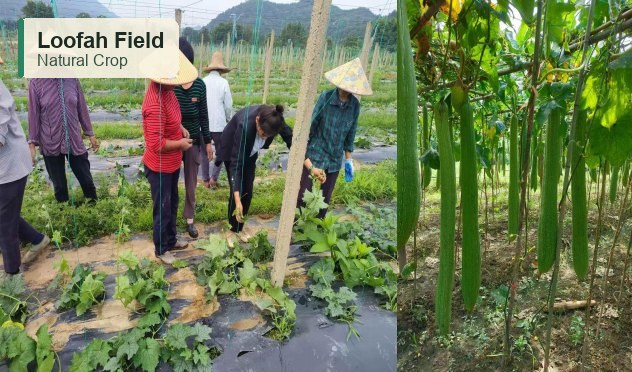
A practical guide to loofah sustainability certifications: what GOTS, OEKO-TEX, and USDA Organic verify, and how buyers should confirm supplier claims.
Direct answer
A practical guide to loofah sustainability certifications: what GOTS, OEKO-TEX, and USDA Organic verify, and how buyers should confirm supplier claims.
What should buyers ask about loofah sustainability certifications?
Buyers should ask which certificate applies to the exact loofah product, who holds it, what scope it covers, when it expires, and whether packaging or processing steps are included. A natural plant material is not automatically certified just because it is biodegradable or agricultural.
Sustainability certification can help retail buyers, but only when the claim matches the product and supply chain. Natural loofah has a strong material story because it comes from plant fiber. That does not mean every finished sponge, pad, or private label package is certified organic, OEKO-TEX tested, or covered by a textile processing standard.
Start with the product and claim. A natural loofah bath sponge sold as a plant-fiber bath accessory needs different support from a dyed textile pouch or a multi-item private label loofah products program. If the buyer is still defining the category, review the natural loofah sponge category.
Common certifications and what they mean
| Certification or standard | What it generally verifies | What buyers should not assume |
|---|---|---|
| GOTS | Textile processing requirements for organic fibres, including environmental and social criteria | It does not automatically cover every loofah sponge unless the product, facility, and scope match. |
| OEKO-TEX STANDARD 100 | Harmful-substance testing for textile articles and components | It is not an organic certification and does not prove biodegradability. |
| USDA Organic | Organic production and handling under USDA organic regulations | Finished non-food loofah claims still need certifier and product-scope review. |
| FSC or recycled paper packaging | Chain-of-custody or recycled-content support for paper packaging | It covers packaging material, not necessarily the loofah itself. |
| Supplier material declaration | Supplier statement about material, origin, or processing | It is useful, but it is not the same as independent certification. |
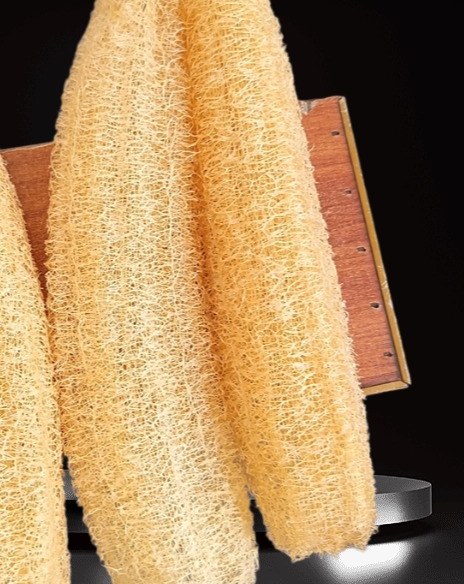
The official GOTS standard page describes GOTS as a textile processing standard for organic fibres with environmental and social criteria. The official OEKO-TEX STANDARD 100 page focuses on harmful-substance testing for textile products. The USDA organic program page explains the US organic regulatory system. These references are useful starting points, but buyers still need to verify whether the exact loofah item is within scope.
How to verify a supplier certificate
Ask for the certificate holder name, certificate number if available, issuing body, product scope, facility scope, issue date, expiry date, and product category. The certificate should not be a cropped logo or a screenshot without scope. If the supplier says the product is certified because a raw material supplier is certified, ask how that certification carries through cutting, bleaching, sewing, packaging, and export.
For OEKO-TEX, ask whether the exact article or component is covered and whether the tested class fits the intended use. For GOTS, ask whether the product is a covered textile item and whether the processing facility is certified. For USDA Organic, ask whether the certificate applies to the agricultural product, the handling process, or only a raw-material claim.
If the buyer is planning retail packaging, the label wording should wait until documents are reviewed. A package can say natural loofah more easily than certified organic loofah. The second claim is stronger and needs stronger evidence.
Alternative verification when no certification exists
Many wholesale loofah orders do not have formal certification. That does not automatically make the supplier unsuitable. Buyers can still request practical evidence: raw material origin statement, process description, photos of drying and sorting, packaging material specification, third-party test by project, moisture-control records, and sample retention.
For destination markets where claims are sensitive, use conservative wording. Plant fiber, natural loofah, plastic-free sponge material, or unbleached loofah may be easier to support than broad environmental promises. If a retailer needs a formal logo, confirm the certification route before placing the packaging order.
Questions to include in the RFQ
| Question | Why it matters |
|---|---|
| Is the certificate for the exact product or only a related material? | Prevents scope mismatch. |
| Who is the certificate holder? | Confirms whether the supplier can legitimately use the claim. |
| What facility and process steps are covered? | Cutting, bleaching, sewing, and packing may change scope. |
| Is the certificate still valid? | Expired certificates should not support new retail packaging. |
| Can the claim be printed on our label? | Logo and wording use may require approval. |
| What alternatives are available if no certificate exists? | Helps buyers decide whether a material declaration or test report is enough. |
Buyer guidance by product type
For bath sponges and body scrubbers, the first sustainability control is material clarity. Ask whether the sponge is natural loofah, whether it is bleached or unbleached, and how it is dried before packing.
For facial pads and beauty accessories, ask about texture, harmful-substance concerns, and any retailer-required testing. A facial loofah pad may need a different document set from a kitchen scrubber.
For private label sets, review both product and packaging. A paper box, cotton pouch, printed label, glue, ink, and insert can all affect the final sustainability story. Do not let a certified packaging component imply that the entire set is certified.
Why choose LoofahB2B
LoofahB2B helps buyers separate material truth, document availability, and retail claim wording. We can tell you what is available for the specific product and what needs third-party testing or certifier confirmation.
Our approach is cautious because overclaiming creates risk for both buyer and supplier. Natural loofah already has a clear sourcing story; the certificate language should strengthen that story rather than exaggerate it.
FAQ
Is natural loofah automatically organic?
No. Natural loofah is plant based, but organic certification requires a valid certificate and scope that applies to the product or production process being claimed.
Does OEKO-TEX prove a loofah product is sustainable?
OEKO-TEX STANDARD 100 focuses on harmful-substance testing. It can support safety-related claims, but it is not the same as organic, biodegradable, or carbon certification.
Can a supplier use the GOTS logo on loofah packaging?
Only if the product, facility, certification scope, and logo-use rules allow it. Buyers should verify scope with the certificate holder or approved certifier before printing.
What if the supplier has no formal certificate?
Ask for material declarations, origin information, processing details, packaging specifications, sample photos, and project-based testing where needed. Use conservative claim wording.
Request a certification document review
Send your target product, destination market, planned label claims, retailer requirement, and any certificate request. We will help identify which documents are available and which claims need further verification.