Natural Loofah vs Synthetic Bath Sponge - A Wholesale Buyer's Comparison
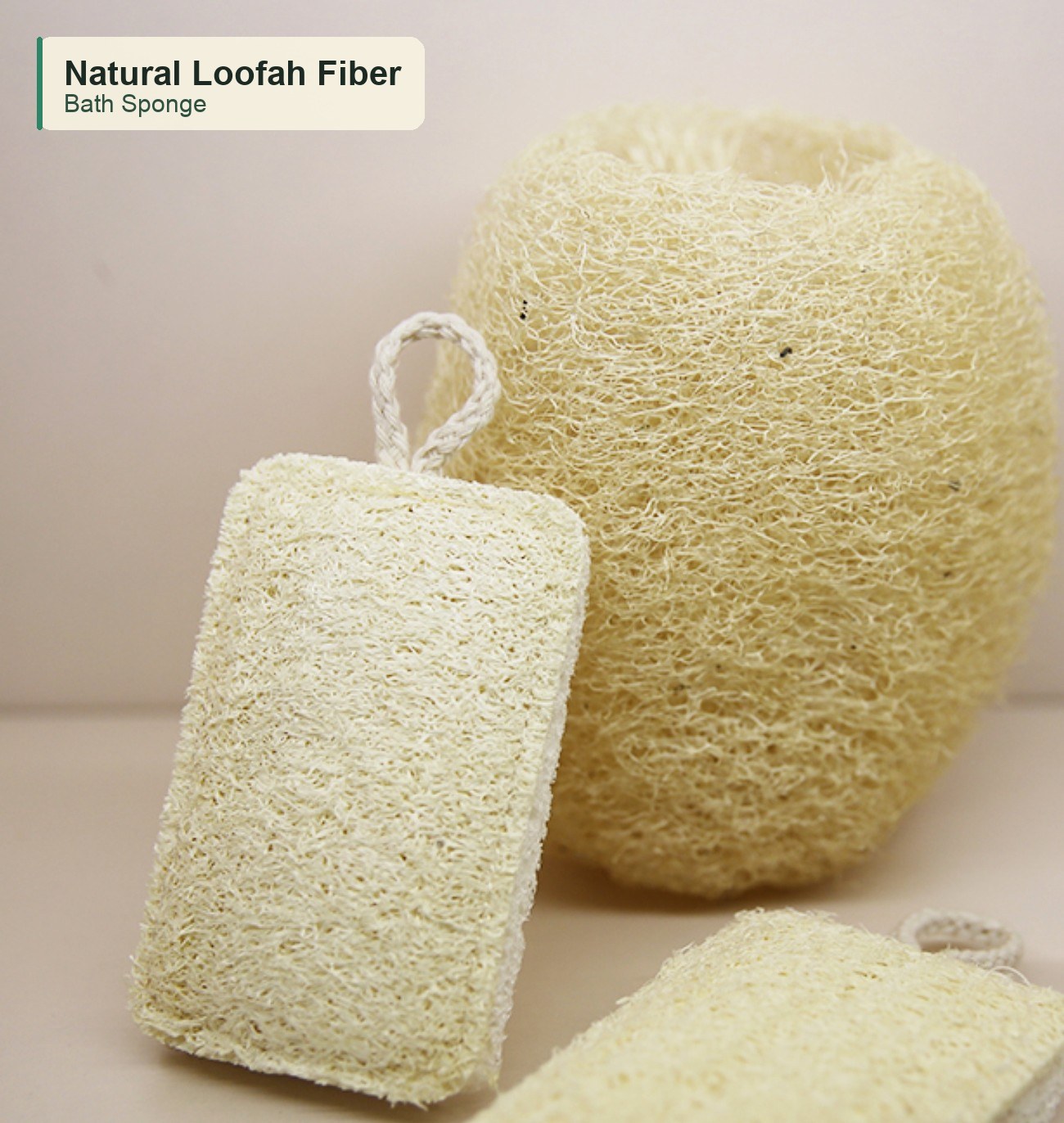
Compare natural loofah and synthetic bath sponges on durability, biodegradability, buyer demand, packing, MOQ logic, and sample checks before wholesale ordering.
Direct answer
Compare natural loofah and synthetic bath sponges on durability, biodegradability, buyer demand, packing, MOQ logic, and sample checks before wholesale ordering.
What should wholesale buyers compare before choosing natural loofah or synthetic bath sponge?
Natural loofah and synthetic bath sponge products solve the same exfoliation brief, but they behave very differently in sourcing. Buyers should compare material origin, wet softness, drying speed, biodegradability, visual consistency, packaging limits, and retail positioning before requesting samples or negotiating MOQ.
The plant sponge begins as the dried fibrous interior of a luffa gourd, which is why batch variation is part of the buying process. NC State Extension describes commercial luffa sponge production as an agricultural crop process, not a molded foam process. That plant origin gives the product a stronger sustainability story, but it also means the buyer must approve a range for color, pore size, density, and edge finish.
Synthetic bath sponges are usually made from plastic mesh, PU foam, or blended polymer materials. They can be highly consistent in color and shape, and they often suit very low retail price points. The tradeoff is that synthetic materials are harder to position for zero-waste, natural body care, or plastic-reduction shelves.
For a finished natural item reference, review the natural loofah bath sponge. If your buyer brief covers several shapes rather than one SKU, the natural loofah sponge category gives broader sourcing context.
Material comparison table
| Factor | Plant-fiber bath sponge | Synthetic bath sponge | Buyer note |
|---|---|---|---|
| Material origin | Dried plant fiber from luffa gourd | Plastic mesh, PU foam, or blended polymer | Ask whether the retail claim is material-based or design-based. |
| Biodegradability | Plant based and biodegradable under suitable conditions | Usually not biodegradable | Avoid broad compostable claims unless the destination rules and test data support them. |
| Hardness when dry | Firm before soaking | Usually soft or springy | The plant sponge softens after wetting; approve samples in wet and dry states. |
| Texture range | Soft, medium, firm natural grades | Engineered texture, often very uniform | Natural texture needs sorting rules; synthetic texture needs material formula control. |
| Use life | Depends on density, drying, and user care | Depends on polymer quality and stitching | Do not promise exact consumer lifespan from a sample alone. |
| Best scenarios | Natural bath, spa, eco retail, gift sets | Price-led promotions, exact-color programs, mesh puff lines | Choose by shelf story and performance, not only unit price. |
| Visual consistency | Controlled range, not identical pieces | High repeatability | Natural variation should be explained in retail copy. |
| Packaging fit | Works well with kraft sleeve, paper band, cotton bag, box | Works well with bag, header card, printed pouch | Packaging must keep the plant sponge dry during transit. |
Buyer market trend
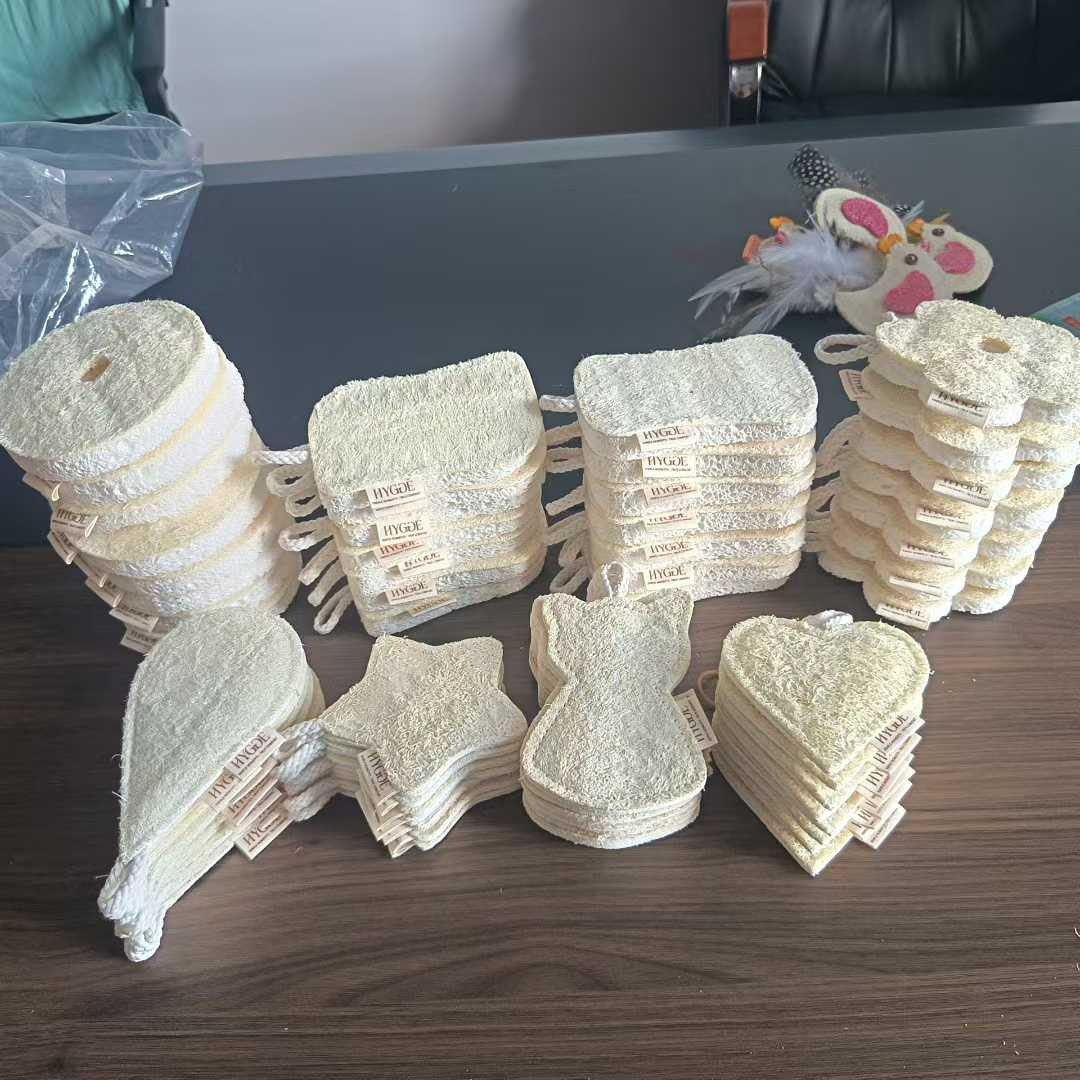
Natural personal-care accessories continue to receive attention from retailers that want lower-plastic shelf stories. The buyer value is not that plant-fiber sponge is automatically premium in every market. The value is that the product can support a clearer material story: plant fiber, simple processing, kraft or paper-led packaging, and a visible difference from synthetic bath puffs.
Synthetic sponges still sell well where the brief is bright color, very low price, or a soft mesh feel. They also work when a retailer wants identical units across a large promotional run. The plant-fiber option is stronger when the shelf needs a natural bath accessory, spa add-on, travel amenity, or eco gift component. Buyers should therefore decide the channel first, then compare unit price.
For brand programs, plant-fiber sponge often pairs with a cleaner package and a more specific RFQ. A private label loofah products program should define the sponge grade and packaging claim together, because the wrong label language can create more risk than the wrong carton size.
Procurement guidance for wholesale orders
Start with samples from at least two density grades. Ask the supplier to soak and dry sample pieces before photos, then send dry photos with a ruler and weight range. A plant-fiber sponge that looks perfect in one selected photo may not represent a bulk carton, so require a small sample set rather than one display piece.
Define the packaging environment. The sponge should be packed dry, ventilated before sealing, and protected from compression that changes the shape. If the item is going into a box, ask for the internal dimensions and carton packing count. If it is going into a kraft sleeve, check whether the sleeve covers enough surface for barcode, country-of-origin wording, and usage notes.
For synthetic bath sponges, ask about material composition, colorfastness, mesh strength, and sewing quality. If the buyer is comparing a natural sponge to a synthetic mesh puff, the samples should be tested in the same water and drying conditions. Otherwise the comparison becomes a price discussion instead of a performance discussion.
How to choose for your retail channel
Choose the plant-fiber option when the sales page, shelf label, or buyer deck needs a plant-based accessory with visible natural texture. It is also a good fit for spa stores, zero-waste retailers, hotel amenity kits, soap gift sets, and beauty brands that prefer neutral materials over bright plastic.
Choose synthetic bath sponge when exact color, identical shape, very soft hand feel, or aggressive promotional pricing is the main requirement. Synthetic sponge can also reduce sorting work when the buyer does not need a natural material story.
Choose both only when the retailer can separate the roles clearly. A bath line may use plant-fiber scrubbers for exfoliating sponge SKUs and synthetic mesh for low-cost puff SKUs. Do not mix the two under one vague "eco sponge" claim.
Why choose LoofahB2B
LoofahB2B helps buyers turn a broad sponge inquiry into a measurable RFQ. We support size sorting, texture selection, packaging review, carton count planning, and private label discussion before bulk production.
Our advantage is practical sourcing control: sample ranges rather than one perfect sample, clear moisture and odor checks, real product photos, and export packing details that match retail and hospitality channels.
We can also connect the bath sponge project to related components such as the round loofah pad when buyers want facial pads, soap inserts, or kit components in the same program.
FAQ
Is natural loofah always better than synthetic sponge?
No. The plant-fiber option is stronger for natural positioning and exfoliating texture, while synthetic sponge is better for exact color, very soft mesh feel, and low-cost promotional programs.
How should buyers compare durability?
Test samples after soaking, squeezing, drying, and repeated use simulation. Plant-sponge durability depends on density and drying; synthetic durability depends on polymer quality and construction.
Can natural loofah support biodegradable claims?
It is plant based, but claim wording should match destination-market rules and any available documentation. Avoid printing broad compostable claims without verification.
What should be in the first RFQ?
Include target use, sponge size, density grade, packaging type, label claims, order quantity, destination, and whether the buyer wants natural loofah only or a side-by-side synthetic comparison.
Request a comparison sample set
Send your channel, target price tier, preferred material story, package type, quantity range, and destination. We will help compare plant-fiber and synthetic alternatives with a practical wholesale sample plan.