Private label loofah OEM
Private Label Natural Loofah Products - OEM for Retail & Spa Brands
Private label loofah products need a product brief, approved sample, packaging plan, claim review, and realistic MOQ before production. Natural fiber variation, drying control, print lead time, and carton packing should be agreed early so the final retail item matches both shelf design and product function.
Direct answer
Private label loofah products need a product brief, approved sample, packaging plan, claim review, and realistic MOQ before production. Natural fiber variation, drying control, print lead time, and carton packing should be agreed early so the final retail item matches both shelf design and product function.
What should a retail brand prepare before starting private label loofah products?
Private label loofah products need a product brief, approved sample, packaging plan, claim review, and realistic MOQ before production. Natural fiber variation, drying control, print lead time, and carton packing should be agreed early so the final retail item matches both shelf design and product function.
Private label loofah is not only a logo on a sponge. For retail brands, the product has to feel right, dry correctly, avoid musty odor, fit the package, and support the environmental language printed on the label. A bath accessory brand may need a soft natural sponge in a kraft sleeve. A spa distributor may need a loofah pad with a hang tag. An eco gift buyer may need several loofah items packed with soap or a brush.
If you are still choosing the base item, start with the [natural loofah bath sponge](/products/natural-loofah-bath-sponge). If your sourcing team needs a broader buying checklist before OEM work, review our guide on [how to source natural loofah sponge products for wholesale](/blog/how-to-source-natural-loofah-sponge-products-for-wholesale).
OEM process from sample to shipment
The most reliable private label projects follow a staged process. Skipping the sample or artwork step usually creates more cost than it saves.
| Step | What happens | Buyer output needed |
|---|---|---|
| 1. Sample request | Select base item, density, size range, and packing concept | Product use, quantity target, destination, and reference photo |
| 2. Specification confirmation | Confirm size tolerance, weight, moisture target, visual grade, and odor standard | Written approval of sample range and acceptance limits |
| 3. Packaging mockup | Review sleeve, label, box, insert, bag, or hang tag layout | Editable artwork, barcode area, claim wording, and color requirements |
| 4. Pre-production sample | Produce a closer sample with real or near-real packaging | Approval comments, revised artwork, and carton mark details |
| 5. Bulk production | Sort, cut, clean, dry, pack, and inspect batch | Purchase order, final quantity, and shipping instruction |
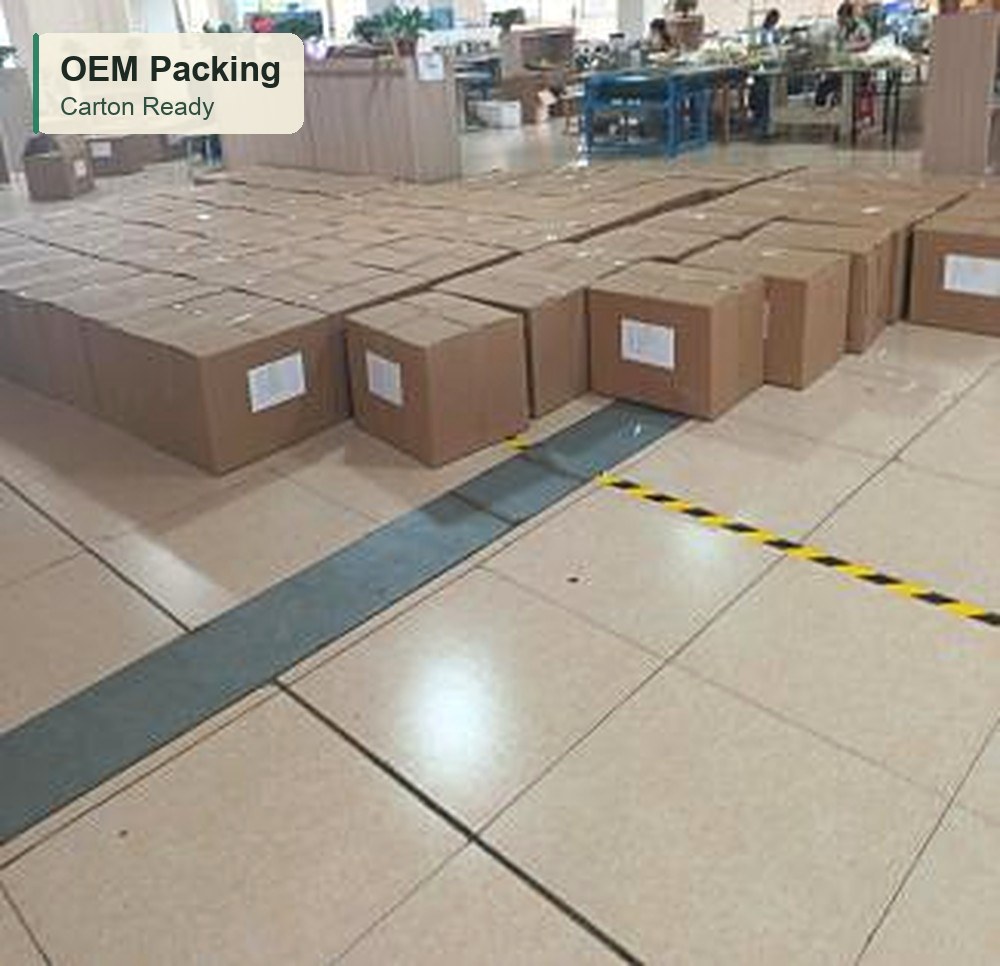
| 6. Final packing and shipment | Carton packing, moisture protection, documents, and handover | Destination, consignee details, forwarder, and document requests |
Custom options for retail and spa brands
Private label programs can customize size, cut shape, fiber density, color range, packaging, label, logo placement, and set composition. For example, a skincare line may choose round facial pads with a soft hand feel and a small kraft pouch. A zero-waste store may prefer unbleached bath sponges with a printed paper sleeve. A spa brand may need a cleaner visual grade and a quiet neutral label.
Color should be handled carefully. Natural, lightly bleached, and unbleached materials look different, and each has a different brand story. Over-bleaching can weaken the fibers and make the product feel less natural. If your packaging claims "natural," "biodegradable," or "plastic-free," keep the claim specific and document-based. Stronger claims should be checked against the destination market before printing.
For multi-item retail programs, compare the [private label loofah set](/products/private-label-loofah-set), [facial loofah pad](/products/facial-loofah-pad), and [round loofah pad](/products/round-loofah-pad). These references help the factory understand whether you want a finished shelf product, a spa accessory, a soap component, or an eco gift item.
MOQ and cost logic
OEM MOQ is usually higher than standard wholesale MOQ because the order may require separate raw material sorting, custom cutting, printed packaging, label setup, barcode placement, carton marks, and pre-production approval. A simple label sticker on a standard sponge can be lower risk than a custom-dyed package with multiple inserts.
MOQ also changes by packaging material. A paper sleeve may have a print minimum from the packaging supplier. A custom box may require die-line confirmation and longer setup. If your brand is testing a new SKU, ask for a standard product with lighter private label treatment first. Once the market response is clear, the next order can move to custom packaging and tighter sorting.
How we handle consistency, mold, and odor concerns
Consistency begins with the approved sample range. Because natural loofah is a plant fiber, the goal is not plastic-like sameness. The goal is a defined range for size, density, color, pore structure, moisture, and edge finish. A sealed approval sample and production photos make repeat orders easier.
Mold prevention depends on full drying, moisture checking, and suitable packing. Inner packaging should not trap moisture from a still-damp product. For humid routes or long storage periods, discuss moisture barrier options and carton handling in the RFQ.
Odor control should be checked before printing retail packaging. The dry product should not smell musty, sour, smoky, or strongly chemical. If bleached material is used, rinsing and drying must be sufficient before packing.
FAQ
Can you sign a confidentiality agreement for private label work?
Private label projects can be discussed under reasonable confidentiality expectations. If your company requires an NDA, mention it before artwork, formulas, or launch calendars are shared.
Who owns the logo and packaging artwork?
The buyer should own or have permission to use the logo, claims, barcode, and packaging artwork supplied for production. We do not verify trademark ownership unless requested through a formal process.
Is there a sample fee for OEM loofah products?
Sample fees depend on whether the request uses a standard item or needs custom cutting, printing, packaging, or repeated revisions. Freight is normally confirmed separately.
What is the minimum print quantity?
Print minimums depend on packaging type, print method, color count, and supplier setup. Standard label stickers are usually simpler than custom boxes or multi-color sleeves.
Request a private label sample plan
Send your target SKU, reference product, size, density, quantity, package idea, artwork status, destination, and launch timing. We will return a sample path that separates standard item choices from OEM packaging decisions.