Wholesale sponge sourcing
Natural Loofah Sponge Wholesale for Retailers & Brands
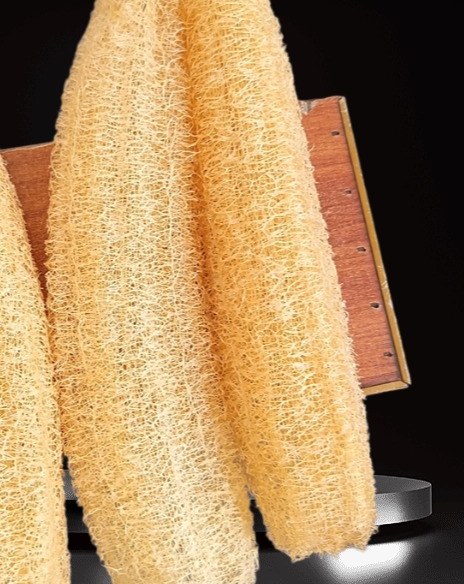
Natural loofah sponge wholesale orders should define size, density, moisture level, packing style, and retail use before price comparison. Because loofah is a plant fiber rather than molded plastic, a clear specification helps control texture, drying, odor, carton weight, and repeat-order consistency.
Direct answer
Natural loofah sponge wholesale orders should define size, density, moisture level, packing style, and retail use before price comparison. Because loofah is a plant fiber rather than molded plastic, a clear specification helps control texture, drying, odor, carton weight, and repeat-order consistency.
What should buyers confirm before placing a natural loofah sponge wholesale order?
Natural loofah sponge wholesale orders should define size, density, moisture level, packing style, and retail use before price comparison. Because loofah is a plant fiber rather than molded plastic, a clear specification helps control texture, drying, odor, carton weight, and repeat-order consistency.
Natural loofah is plant based, biodegradable under suitable conditions, and easy to position in eco-friendly bath, spa, hotel, and cleaning ranges. The same natural structure also creates sourcing risk. Fiber density can vary by growing area, maturity, drying method, and cut position.
LoofahB2B supplies wholesale natural loofah sponge programs for retailers, spa distributors, hotels, eco gift companies, and private label brands. For finished bath items, see our [natural loofah bath sponge](/products/natural-loofah-bath-sponge). For branded packaging or mixed sets, review [private label loofah products for retail brands](/solutions/private-label-loofah-products-for-retail-brands) before finalizing artwork.
Wholesale specification table
Use this table as a practical RFQ checklist. Values are typical sourcing ranges, not fixed promises. Final numbers should be confirmed by sample approval and production batch.
| Specification | Typical wholesale range | Buyer note |
|---|---:|---|
| Size range | 8-18 cm bath sponge; 10-25 cm strip; custom cut by mold | Define finished size plus tolerance, not only raw gourd length. |
| Piece weight | 8-35 g depending on size and density | Very high weight may indicate moisture or over-thick material. |
| Fiber density | Soft, medium, firm sorted grades | Soft grades suit bath and spa; firm grades suit kitchen and cleaning. |
| Pore size | Fine, medium, open pore selection | Pore uniformity affects visual grade and exfoliation feel. |
| Moisture content | Usually target below 10%-12% before packing | Lower moisture reduces mold risk and false freight weight. |
| Hardness | Soft hand feel to firm scrub feel | Confirm after soaking and drying, not only in compressed condition. |
| Packaging | Bulk carton, OPP bag, kraft sleeve, header card, box | Retail packaging changes MOQ, labor, carton size, and quote timing. |
| MOQ | Lower for standard bulk items; higher for custom packing | OEM label, print, and color sorting usually increase MOQ. |
| Certification documents | Material statement, origin note, packaging documents, test reports by request | Do not print regulated claims until documents match the destination market. |
Applications by buyer type
Retail bath and body stores normally need a consistent hand feel, clean trimming, neutral odor, and packaging that explains natural variation without making medical claims. A medium-density bath sponge is the safer starting point for most shelf programs because it softens when wet but still feels substantial in the hand.
Spa and hotel buyers often care more about presentation and hygiene packing. Individually bagged sponges, kraft sleeves, or amenity-set inserts can work well, but the packaging should allow the product to remain dry during storage. For hotel amenities, ask for carton marks and pack counts that match housekeeping workflows.
Eco gift buyers may pair loofah with soap, bamboo brushes, sisal mitts, or cellulose cleaning pads. In that case, the loofah sponge should be specified together with the broader gift set. A finished product such as a [loofah eco gift set](/products/loofah-eco-gift-set) can be used as a reference for kit planning.
Kitchen and household cleaning buyers should not use the same density target as bath buyers. A stronger open-pore grade works better for dishes and vegetables, while a softer bath grade may collapse too quickly under repeated cleaning pressure. For kitchen-focused products, compare the [loofah dish scrubber](/products/loofah-dish-scrubber) family before choosing density.
How to choose density by use
For bath sponge programs, ask for a soft to medium density. The product should expand evenly after wetting, rinse cleanly, and feel exfoliating without being sharp. For spa retail, a neater edge and lighter color range may matter more than maximum scrub strength.
For kitchen scrubbers, select a firmer grade with more open pores and stronger fiber walls. The sponge needs enough grip for cleaning but should not be so brittle that it sheds fibers after a few uses. If the product will be sewn, laminated, or combined with wood pulp, request a sample that shows the complete construction.
For eco gift and promotional orders, the best grade is often the most visually stable one, not the strongest one. Buyers should approve color range, size range, packing count, and label wording before bulk production. Natural loofah is an agricultural product, and sources such as [NC State Extension](https://content.ces.ncsu.edu/commercial-luffa-sponge-gourd-production) describe the mature sponge as the dried fibrous interior of the luffa gourd. That plant origin is the reason sorting rules matter.
Quality controls for mold, odor, and consistency
Mold risk is usually a moisture and packaging issue. Ask the supplier how pieces are dried, how moisture is checked, and whether inner bags include moisture protection for humid shipping routes. Avoid approving samples that are still damp, because moisture can make the product look heavier and softer than the shipped batch.
Odor should be checked in dry condition and again after the sponge is soaked and dried. Natural plant odor can exist at a mild level, but sour, musty, chemical, or smoky smells should be rejected. For bleached products, ask whether the fiber has been rinsed and dried thoroughly after processing.
Consistency should be judged by a sample range, not a single perfect piece. Ask for several pieces from the same grade, ruler photos, weight range, and packaging photos. For repeat orders, keep a sealed approval sample and compare bulk production against it.
FAQ
Can you provide certificates for natural loofah sponge orders?
Available documents depend on the product, packaging, and destination market. We can discuss material statements, origin information, packaging declarations, and third-party testing needs during the RFQ stage.
Can I request samples before a wholesale order?
Yes. Samples are recommended for every new density, size, package, or label program. Ask for a sample set that shows normal production variation, not only one selected piece.
Can custom printing be added to retail packaging?
Yes. Header cards, kraft sleeves, labels, inserts, and carton marks can be quoted after artwork, color count, pack count, and destination requirements are confirmed.
What affects lead time for custom loofah products?
Custom size sorting, private label packaging, printed materials, moisture control, and sample approval can all affect timing. Standard bulk items are usually simpler than OEM retail packs.
Request a wholesale sample quote
Send your target use, size, density, packaging, quantity, destination, and any claim wording already planned. We will help you compare standard wholesale sponge options, private label packaging paths, and sample approval rules before bulk ordering.