Soap insert component sourcing
Wholesale Loofah Soap Inserts for Soap Makers
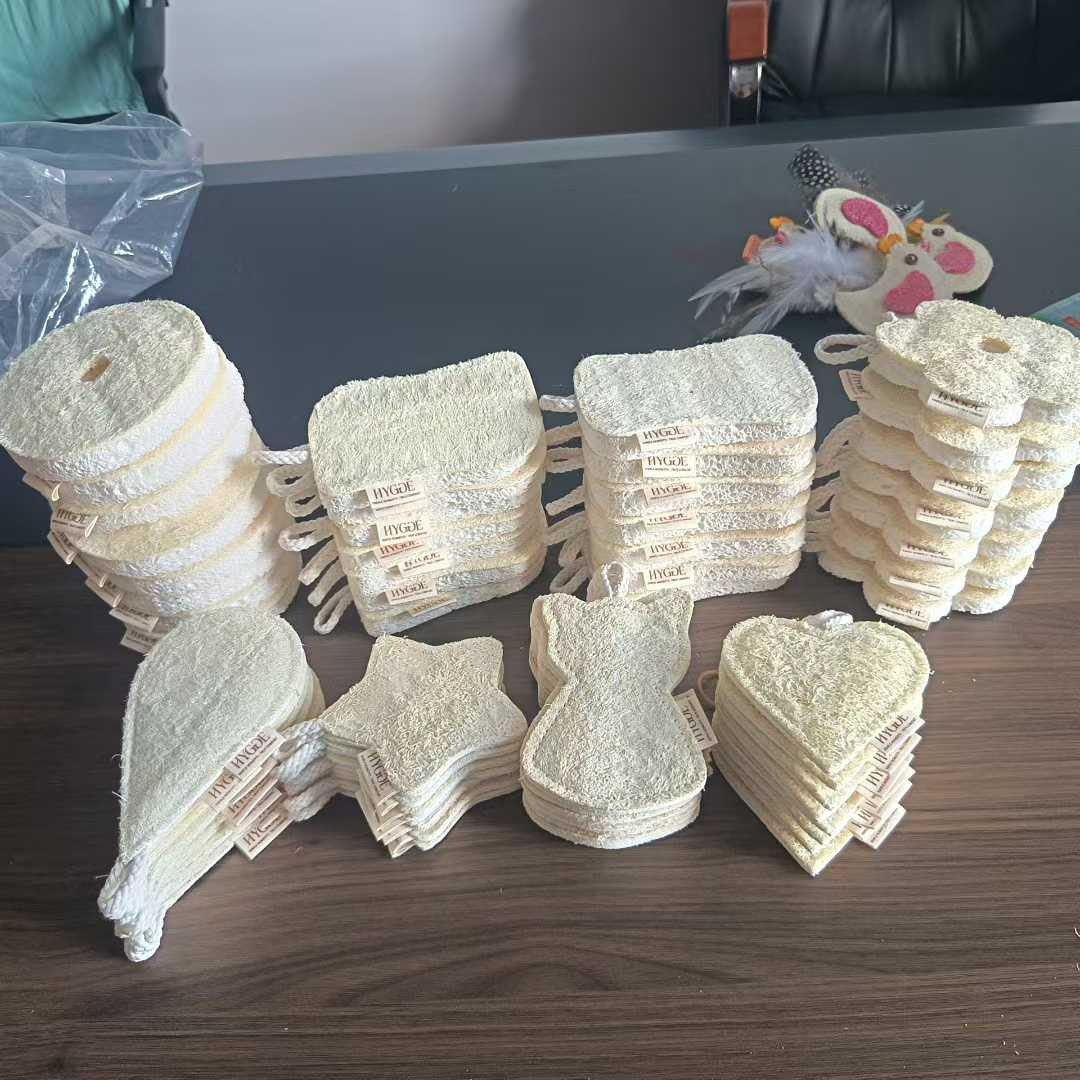
Wholesale loofah soap inserts should be specified as measured components, not generic sponge pieces. Soap makers need diameter, thickness, moisture content, pore structure, carton count, and size tolerance agreed before production because the insert must fit the mold, absorb soap evenly, and remain clean during storage.
Direct answer
Wholesale loofah soap inserts should be specified as measured components, not generic sponge pieces. Soap makers need diameter, thickness, moisture content, pore structure, carton count, and size tolerance agreed before production because the insert must fit the mold, absorb soap evenly, and remain clean during storage.
What matters most when ordering wholesale loofah soap inserts?
Wholesale loofah soap inserts should be specified as measured components, not generic sponge pieces. Soap makers need diameter, thickness, moisture content, pore structure, carton count, and size tolerance agreed before production because the insert must fit the mold, absorb soap evenly, and remain clean during storage.
Loofah inserts are used in handmade soap, transparent glycerin bars, spa bars, hotel amenities, and natural gift sets. The product looks simple, but it is a tight component. A slice that is too thick can lift in the mold. A slice that is too wet can affect soap curing and carton weight. A slice with uneven pore structure can look inconsistent through a clear bar.
For finished sponge context, see the [natural loofah bath sponge](/products/natural-loofah-bath-sponge). If the inserts are part of a branded soap range or gift set, connect the project to [private label loofah products for retail brands](/solutions/private-label-loofah-products-for-retail-brands) so packaging, label, and carton mark decisions are handled together.
Soap insert specification table
Use the table below before asking for price. It helps separate a standard wholesale slice from an OEM component order.
| Specification | Typical range | Why it matters for soap makers |
|---|---:|---|
| Diameter | 4-8 cm round slices; custom diameter by mold | Insert must fit the mold cavity and finished bar size. |
| Thickness | 0.5-2.5 cm | Thick pieces can disturb soap fill; thin pieces may feel weak. |
| Shape | Round, oval, strip, rectangle, custom cut | Shape affects cutting yield, tooling, and visual grade. |
| Moisture content | Usually target below 10%-12% before packing | High moisture can raise weight and increase mold risk. |
| Pore structure | Medium to open pore; sorted by visual grade | Clear soap exposes pore and color variation. |
| Size tolerance | Commonly +/-2-5 mm depending on shape | Exact sameness is not realistic with natural fiber. |
| Pieces per carton | Confirmed by diameter, thickness, bag count, and carton size | Over-compression can deform inserts during transit. |
| MOQ | Standard shapes lower; custom shapes higher | Custom cutting and sorting require setup and raw material planning. |
| Certification or documents | Material statement and test reports by project | Claims should be confirmed before retail labels are printed. |
Why moisture content affects soap production
Moisture content matters for three reasons. First, wet loofah can create false weight in a quote, making the buyer pay freight for water rather than usable fiber. Second, a damp insert stored in a sealed bag has a higher risk of mildew or musty odor. Third, excess moisture may behave differently inside a soap base, especially in clear or lightly colored bars where bubbles, staining, or uneven appearance are visible.
Ask how the supplier checks dryness. Practical methods include controlled drying, batch weight comparison, moisture meter checks where suitable, and storage in a dry, ventilated area before packing. NC State Extension notes that dried luffa gourds should be stored in a dry, well-ventilated area, which aligns with B2B concerns around moisture and storage.
Choosing round, oval, or custom shapes
Round inserts are the easiest starting point because they match many soap molds and can be cut from the natural cylindrical structure of loofah. They are suitable for handmade soap makers, spa bars, and small retail batches.
Oval inserts can look more refined in rectangular or curved soap bars, but buyers should allow a realistic tolerance. The natural sponge wall is not perfectly uniform, so exact oval edges may require extra sorting and trimming.
Custom shapes are possible for brand programs, but they need a drawing, mold cavity size, expected tolerance, sample approval, and cost review. Tooling or special cutting may increase MOQ. If the insert will be paired with other products, compare [loofah soap saver](/products/loofah-soap-saver), [round loofah pad](/products/round-loofah-pad), and [custom loofah components](/categories/custom-loofah-components) for shape references.
Size tolerance and visual consistency
Soap insert buyers often ask for exact size. A better request is "target diameter plus tolerance." Natural loofah comes from the dried fiber network of a gourd, so each slice can vary slightly in wall thickness, pore pattern, and edge shape. Good sourcing controls the range; it does not remove all variation.
For clear soap, visual consistency may matter as much as size. Ask for photos against a white background and in the actual soap base if possible. For opaque soap, fit and drying may matter more than color. For spa brands, a cleaner color range and neater edge are usually worth confirming during sample approval.
FAQ
How can I measure moisture content for loofah inserts?
For production control, use supplier drying records, moisture meter checks where suitable, and sample weight comparison after controlled drying. Buyers can also inspect odor and surface dryness after storage.
What is the minimum order for soap inserts?
MOQ depends on shape, size tolerance, sorting grade, and packing. Standard round slices usually have lower setup risk than custom shapes or strict visual sorting.
Is there a fee for custom shapes?
Custom shapes may require drawing review, cutting setup, sample labor, tooling, and extra sorting. Share the mold size and finished bar photo before asking for a final quote.
Can inserts be packed by soap production batch?
Yes. Inner bag counts, carton labels, and batch marks can be discussed so your workshop or contract soap maker can handle the inserts efficiently.
Request a soap insert sample
Send the mold cavity size, finished bar size, target diameter, thickness, shape, quantity, soap base type, packing count, and destination. We will help you confirm a sample set before bulk production.