How to Evaluate a Natural Loofah Supplier: 6 Quality Checks Before You Order
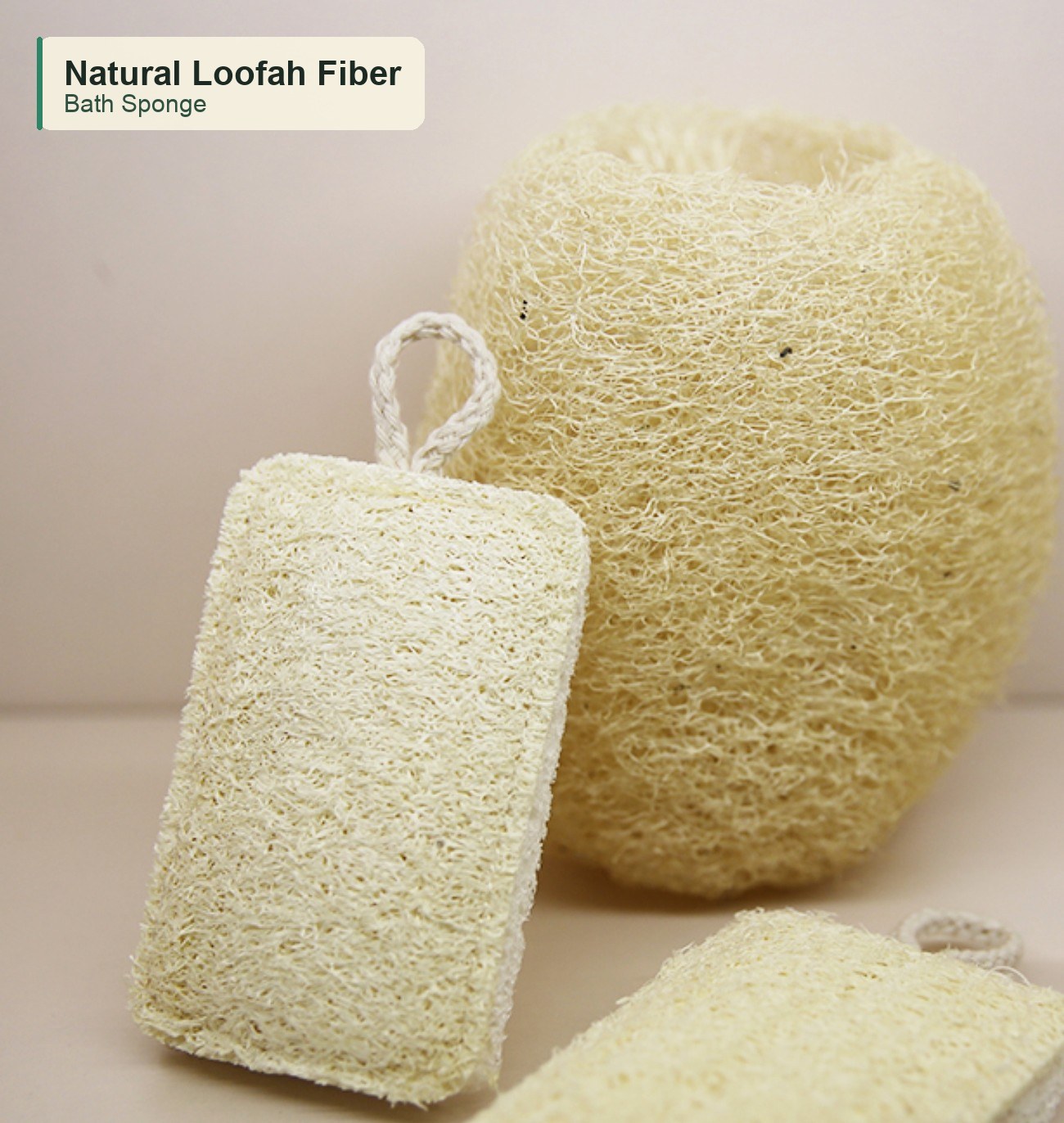
Natural loofah quality varies because the material begins as an agricultural crop, not a molded synthetic foam. Fiber density, pore size, color, moisture, and odor can change with variety, maturity, drying, bleaching, storage, and cutting position. A good supplier controls that variation instead of pretending it does not exist.
Direct answer
Natural loofah quality varies because the material begins as an agricultural crop, not a molded synthetic foam. Fiber density, pore size, color, moisture, and odor can change with variety, maturity, drying, bleaching, storage, and cutting position. A good supplier controls that variation instead of pretending it does not exist.
## Why natural loofah quality varies more than synthetic sponge quality
Natural loofah quality varies because the material begins as an agricultural crop, not a molded synthetic foam. Fiber density, pore size, color, moisture, and odor can change with variety, maturity, drying, bleaching, storage, and cutting position. A good supplier controls that variation instead of pretending it does not exist.
That difference is the reason buyers should evaluate natural loofah suppliers with a checklist. A synthetic sponge factory can often repeat a foam formula and die-cut shape with narrow tolerance. Natural loofah suppliers must start earlier: raw material selection, drying, seed removal, cutting, sorting, bleaching when needed, packing, and humidity control.
For product context, compare a finished [natural loofah bath sponge](/products/natural-loofah-bath-sponge), a [round loofah pad](/products/round-loofah-pad), and a private label reference such as [private label loofah products for retail brands](/solutions/private-label-loofah-products-for-retail-brands). The checks below apply across bath, spa, kitchen, soap, and eco gift programs.
## Check 1 - Fiber Density and Pore Uniformity
Fiber density decides how the loofah feels and how long it lasts. A soft, open piece may be comfortable for bath use but weak for dish cleaning. A firm, tight piece may scrub well but feel too aggressive for body care. Ask the supplier to sort samples by intended use, not only by size.
Pore uniformity also affects visual grade. Retail packs, clear soap bars, and spa accessories show irregular holes more clearly than bulk cleaning products. For every new SKU, request photos of several pieces in the same grade. Do not approve one attractive sample and assume the bulk carton will look identical.
Strong suppliers explain acceptable variation in plain language. They can define a soft, medium, or firm grade; show ruler photos; and describe how pieces are sorted. If a supplier cannot explain density sorting, the buyer will carry the risk later.
## Check 2 - Moisture Content at Shipment
High moisture creates three problems. It increases declared weight, raises the risk of mold during storage or ocean transit, and can create odor after sealed packing. A damp sponge may also feel softer during sample review, then become lighter and harsher after drying.
Ask for the target moisture range before shipment. Many B2B orders use a practical target below 10%-12%, although final acceptance depends on product type and destination. Ask how the supplier dries pieces after washing or bleaching and whether cartons are packed only after the material is stable.
NC State Extension notes that dried luffa should be stored in a dry, well-ventilated area, and commercial buyers should treat that as a sourcing principle. Drying is not a cosmetic step. It is a quality-control step.
## Check 3 - Bleaching Method
Bleaching can make loofah look cleaner and more uniform, but over-processing can damage the fiber. A heavily bleached sponge may look bright in photos while becoming brittle, thin, or less natural in the hand. For bath and spa products, many brands prefer a lighter natural tone rather than a harsh white look.
Ask whether the product is unbleached, lightly bleached, or strongly lightened. Ask how the pieces are rinsed and dried afterward. If your brand plans to claim "natural," "plant based," "biodegradable," or "plastic-free," make sure the processing method and packaging do not conflict with your claim wording.
The right choice depends on shelf position. Spa and hotel buyers may prefer a cleaner visual grade. Zero-waste stores may prefer unbleached material. Soap makers may need color consistency because clear bars reveal the insert.
## Check 4 - Odor Test
Odor should be checked in dry condition and after wetting. A mild plant smell can be normal, but musty, sour, smoky, or chemical odor should not be accepted for retail bath or spa products. Odor problems often come from incomplete drying, poor storage, over-bleaching, or damp packaging.
Ask the supplier to send samples in the same packing style planned for bulk production. A sponge shipped loose in a ventilated sample bag may smell fine, while the same sponge sealed too early in retail packaging may develop odor. That is why packaging and odor testing should be reviewed together.
For private label programs, do the odor test before printed packaging is produced. Reprinting labels after a quality issue is expensive and avoidable.
## Check 5 - Packaging and Moisture Barrier
Packaging should protect the loofah without trapping moisture. Bulk cartons, inner bags, OPP bags, kraft sleeves, header cards, and custom boxes all behave differently. The correct choice depends on destination humidity, storage time, retail presentation, and whether the product is fully dry before packing.
For export orders, ask about carton strength, inner bag count, moisture barrier options, and carton marks. If the product is compressed, ask whether it will recover shape after unpacking. If the product is packed in a sealed retail bag, ask whether final moisture is checked before sealing.
Buyers building a retail line can compare the [private label loofah set](/products/private-label-loofah-set) to see how packaging choices affect the full SKU rather than only the loose sponge.
## Check 6 - Sample Consistency vs Bulk Consistency
The sample should represent the production range. Ask for at least several pieces of the same grade, not one hand-selected item. Review diameter, thickness, weight, pore size, edge finish, color range, odor, and wet/dry hand feel.
Before bulk production, keep one approved sample set sealed and labeled. Ask the supplier to provide production photos from the actual batch. For repeat orders, compare the new batch against the retained sample and note whether raw material season or cutting position may affect appearance.
Strong suppliers welcome this discipline. It gives both sides a fair reference when natural variation appears. Weak suppliers avoid it, which usually means the buyer will discover variation only after cartons arrive.
## FAQ
### How many loofah samples should I review before ordering?
For a new SKU, review several pieces from the same grade and packing type. One perfect piece is not enough to judge natural variation.
### Is a brighter white loofah always better?
No. Brightness can help shelf appearance, but heavy bleaching may weaken fibers or conflict with a natural product position. Choose the look that matches your brand and use case.
### What moisture level should I request?
Many buyers use a target below 10%-12% before packing, but the right requirement depends on product type, packaging, and route. Ask the supplier how it is measured and controlled.
### How do I compare sample quality with bulk quality?
Keep an approved sample set, define acceptance ranges in writing, and ask for production photos before shipment. Compare several bulk pieces, not only the top layer of the carton.
## Request samples with our quality checklist pre-filled
Send your product type, use case, size, density, packaging plan, destination, and target quantity. We can prepare a sample request around density, moisture, bleaching, odor, packaging, and bulk consistency checks.